
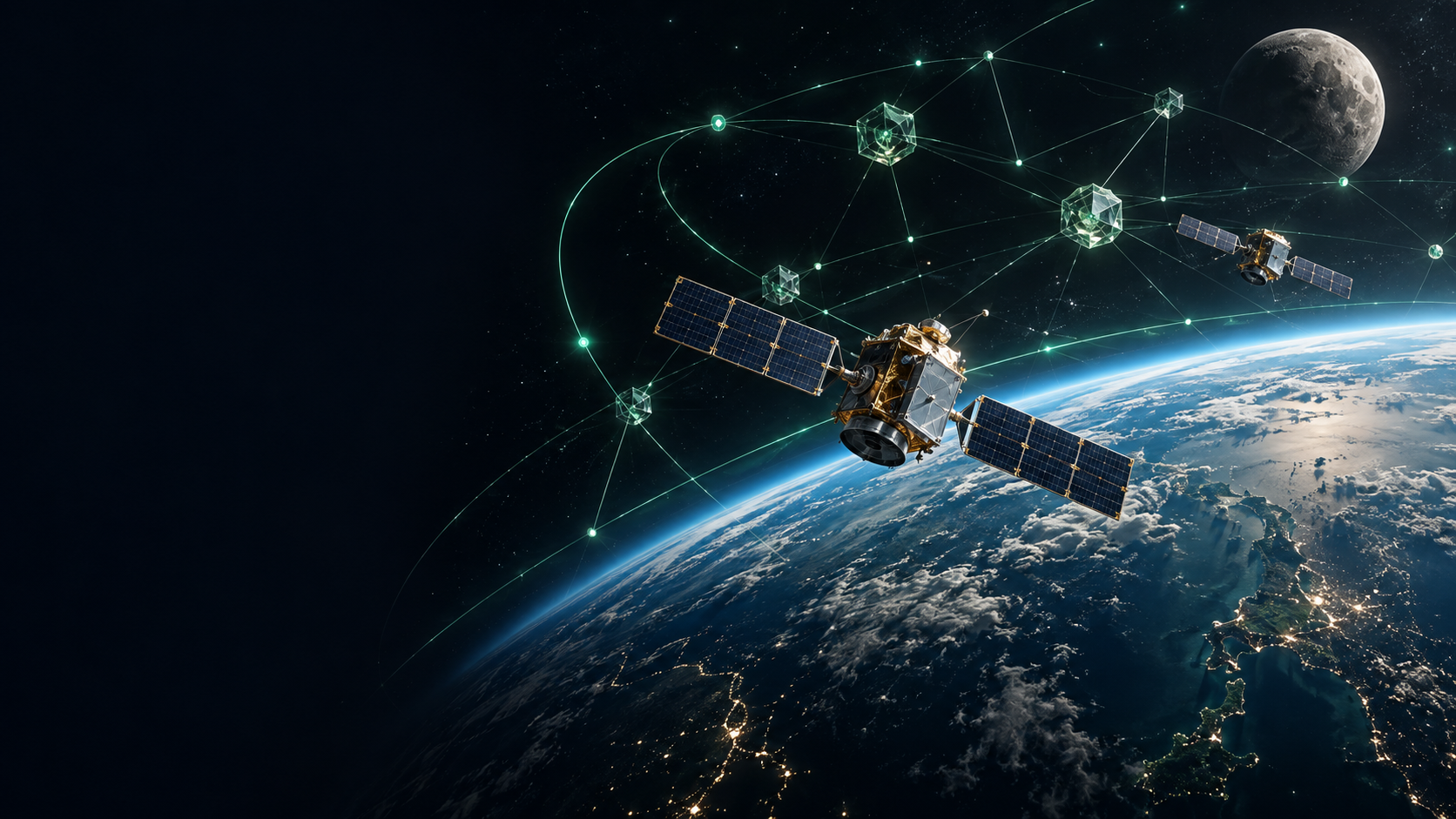
Concept illustration of satellites orbiting Earth and a data network extending toward the Moon

DREAM MAX TOKEN / SPACE × WEB3

From Earth orbit.To the Moon.Take part in what comes next.

VISION

Research in orbit.
Participation on Earth.

01

Space testing

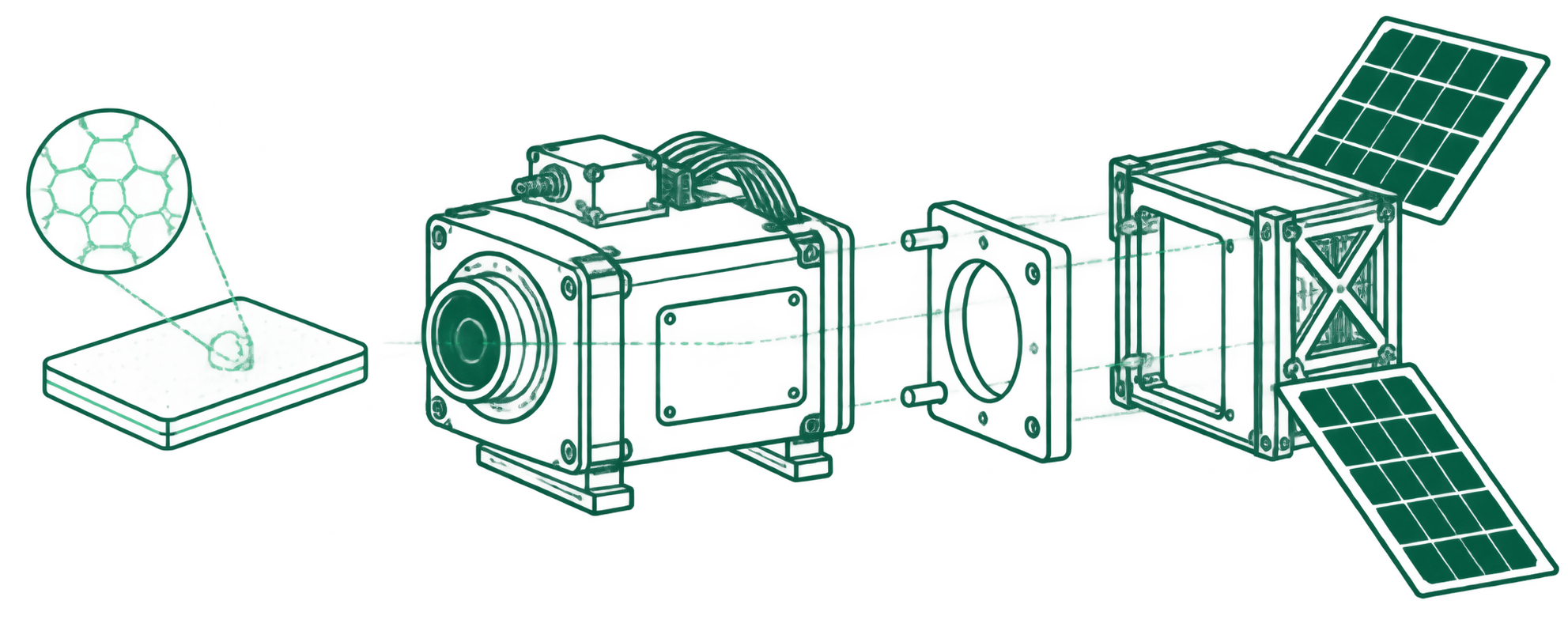
A test payload aboard a satellite observing Earth from orbit
SPACE MISSIONS
02

Data services

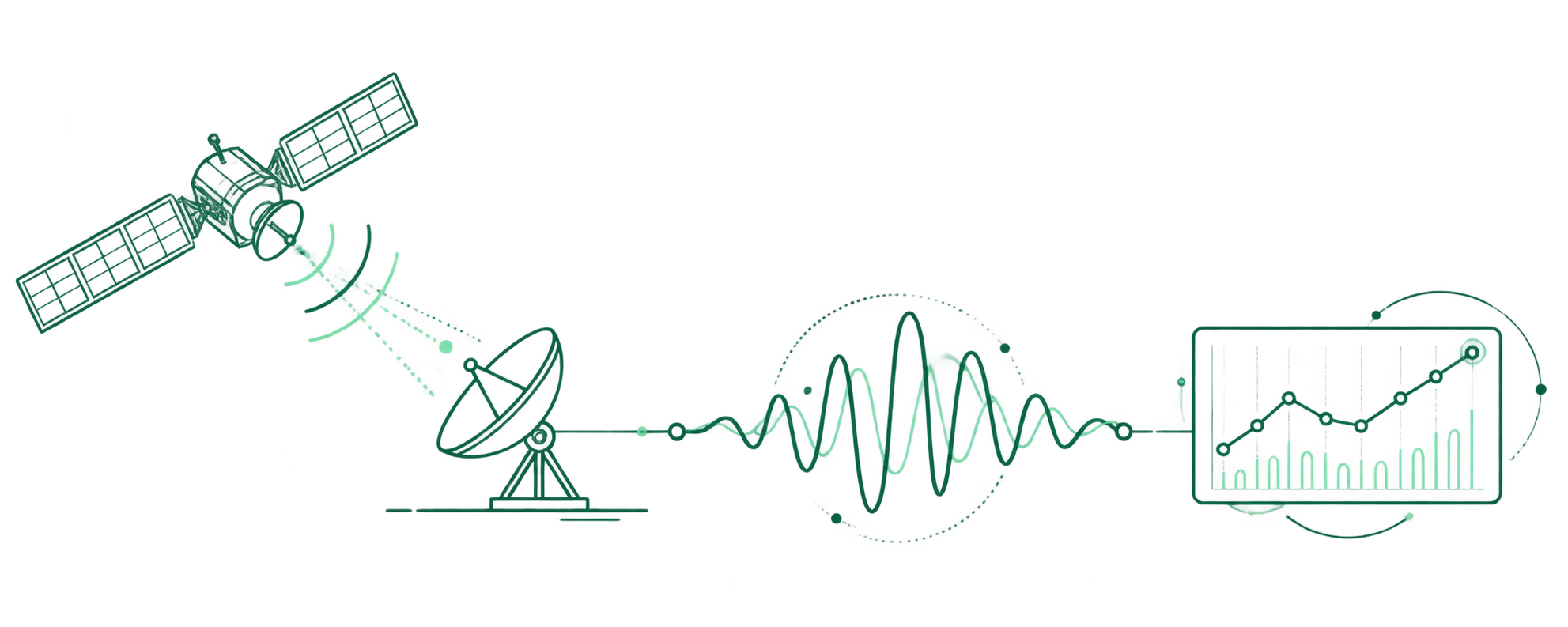
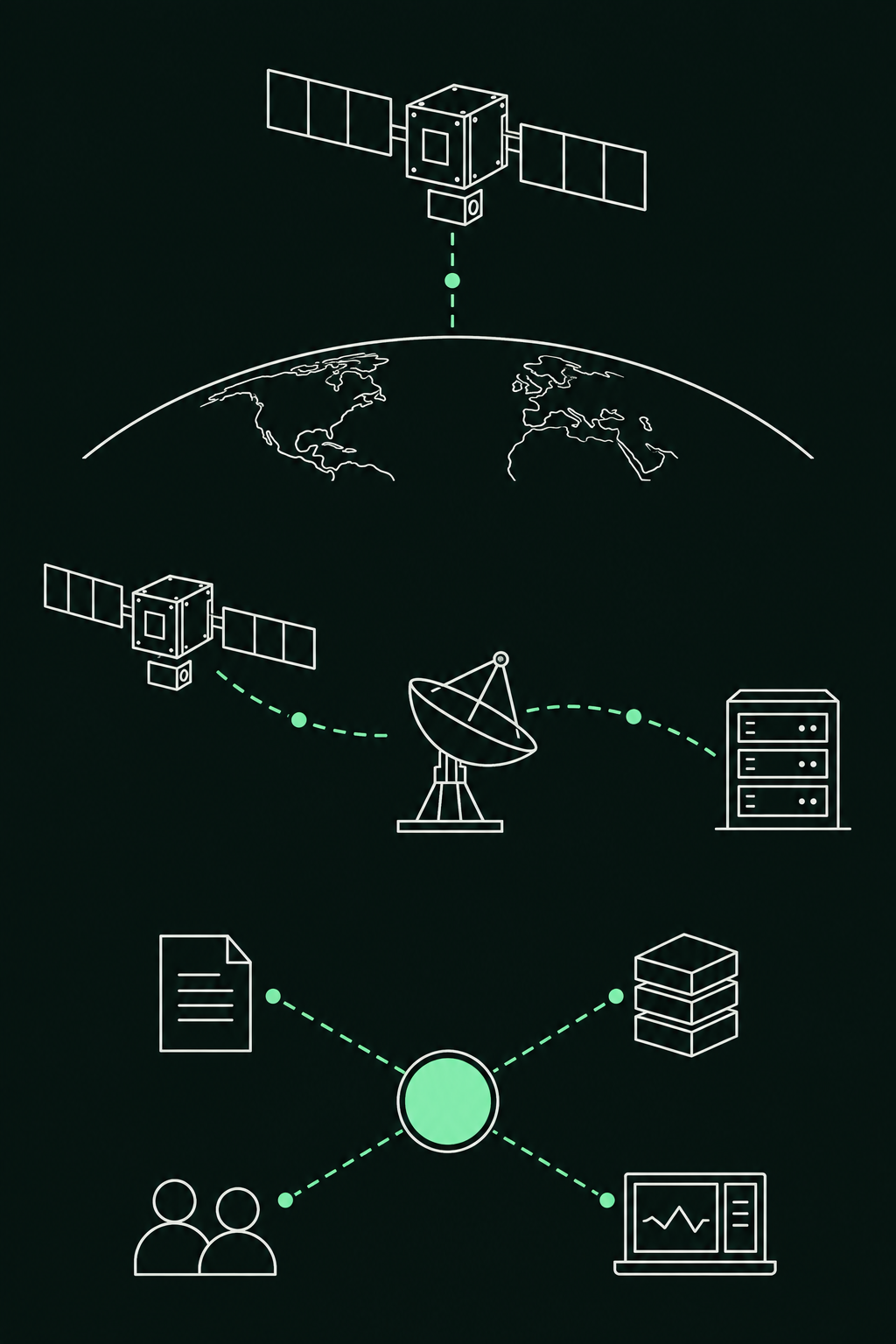
Orbital data moving from a satellite through a ground station into a data system
RESEARCH & DATA
03

Ecosystem contributions

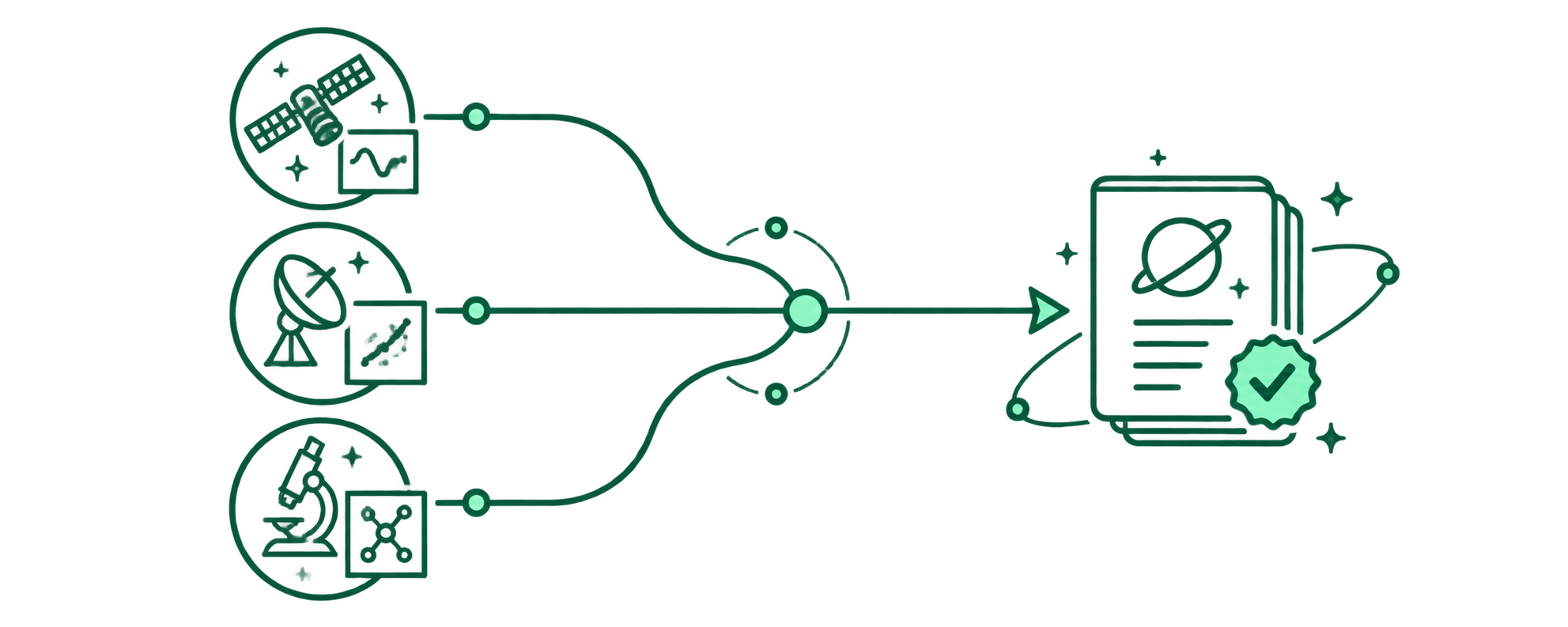
DMT connecting research, data, community contributions and shared operations
ECOSYSTEM PARTICIPATION
DMT / MISSION JOURNEYSkip to mission details

INSIDE THE MISSION

Transport architecture.

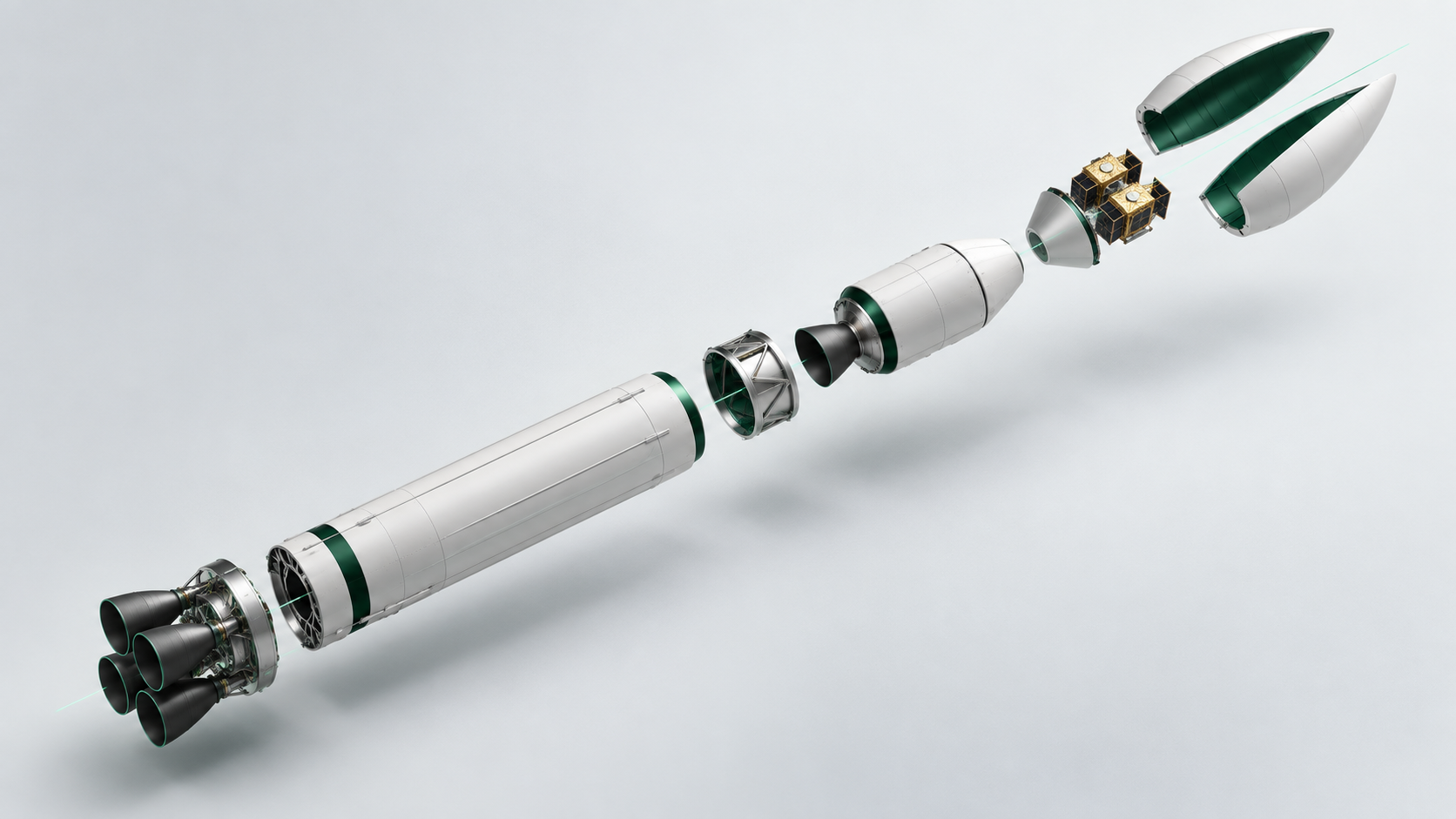
A transport vehicle is a system of systems. Look beneath its shell to see the stages, propulsion and two satellites.

SYSTEMS WORKING TOGETHER

Propulsion and payload.

Explore the engines, propellant system and optical payload in sequence.

READY FOR INTEGRATION

Vehicle integration.

The skins close. The stages meet. The payload is enclosed, ready for the next step of the mission.

BEYOND THE ATMOSPHERE

From ignition to orbit.

Ignition gives way to ascent. The horizon falls away as the mission travels toward Earth orbit.

TWO SATELLITES

Two satellites deployed.

The fairing separates and the solar arrays unfold. Transport gives way to orbital experiments and observation.

FROM ORBIT TO DATA

Data returns to Earth.

Measurements return through ground stations. The mission connects research in space with usable data on Earth.
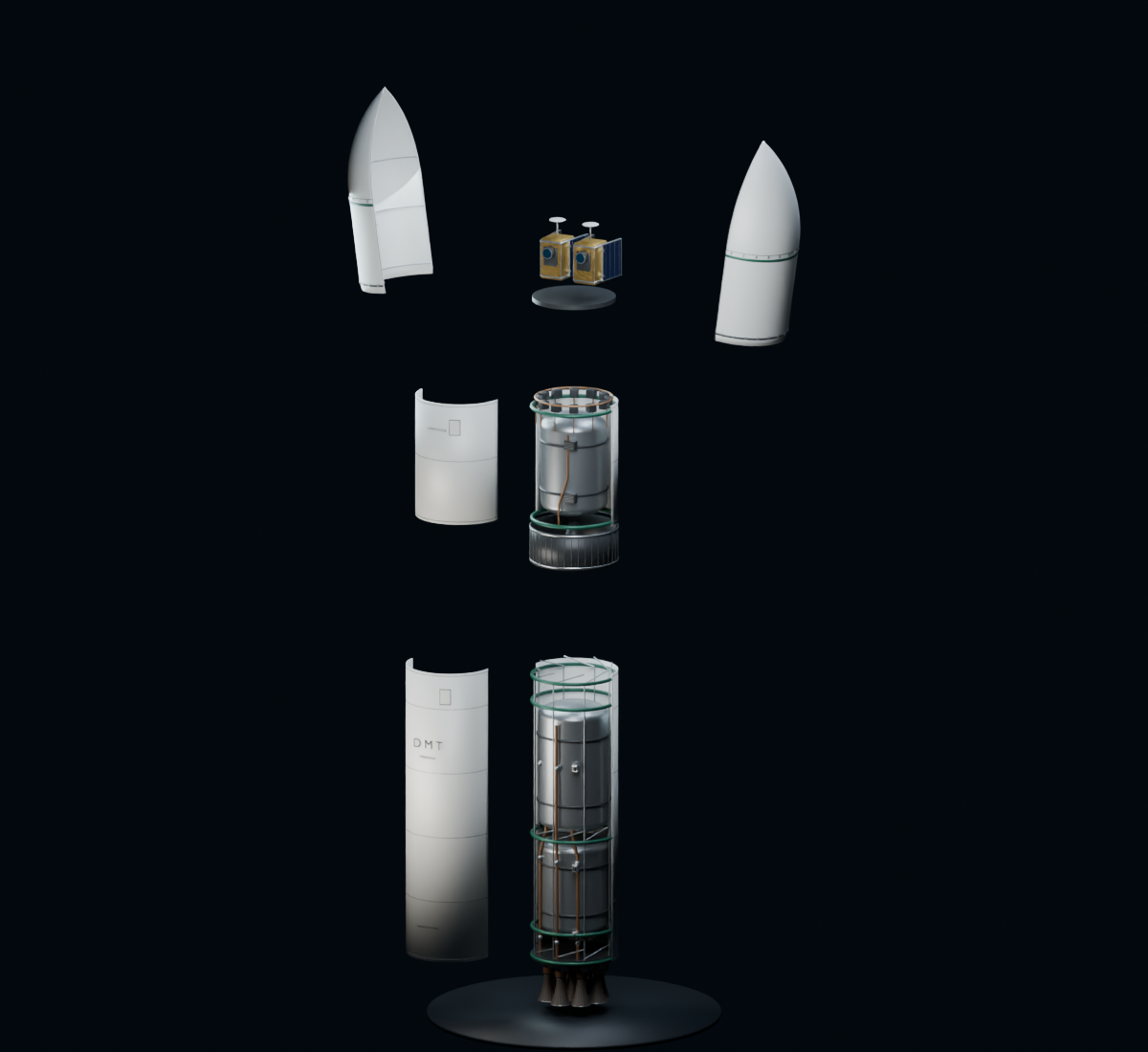
Exploded rocket showing internal tanks, engines and two satellites

FIRST MISSION

Two satellites.
One research mission.

Target deployment2satellites
External experiment capacity30kg
First-mission budget$15millionJPY 2.25 billion
Exploded concept view of a launch vehicle, with fairing, satellite payload, upper stage and propulsion sections
LAUNCH ARCHITECTURE

Space-environment testing

Earth observation

Beyond the launch

RESEARCH ECOSYSTEM

Researchers, users
and contributors.

Researchers and companies

Design experiments

Experiment design, orbital integration and data delivery
Data users

Use research outputs

Research data moving into analysis and new services
Community

Contribute expertise

Community contributions connected through a shared research network

STAGES OF EXPLORATION

Demonstrate. Expand.
Objectives by Stage.

  1. STAGE 01
    PROVE

    Two-satellite demonstration

    Space-environment testing and Earth observation with two satellites, from establishing communications to delivering data.

  2. STAGE 02
    CONNECT

    Orbital research network

    Ten additional satellites, 12 launches cumulatively. Eight ground-station sites supporting recurring data delivery.

  3. STAGE 03
    EXPLORE

    Lunar station and rover

    A lunar observation station and small rover, connected to Earth through procured relay services.

THE DMT TOKEN

Connecting research and participation.
DMT within the ecosystem.

  • 01

    Participate in shared operations

    Verified activity and eligibility support research proposals, discussion and participation in relevant votes.

  • 02

    Use services

    Use in supported analysis tools and workshops is planned. Experiment capacity and data rights follow their own terms.

  • 03

    Contribute

    Research ideas, translation and data preparation are reviewed. Eligible programs may grant DMT for accepted work.

A green metallic DMT coin with a raised planet and orbit emblem

PARTICIPATE

Learn. Propose.
Contribute to research.

01

Explore the project and activities

02

Choose where to contribute

03

Create and verify useful work

04

Share results and knowledge

QUESTIONS

Questions about
participation.

What role does DMT play?

DMT connects contribution recognition, supported service use and shared operations. Its design follows actual activities and services.

Can I participate without DMT?

Public information, open discussion and research proposals do not require DMT. Individual programs and services will have their own eligibility and usage terms.

How may DMT be granted?

Eligible programs may grant DMT after accepted work is verified under published rules. Activities, quantities and assessment methods will be disclosed before work begins.

What happens if a mission changes?

The team reviews impacts, contractual obligations and remaining budget, then reports revised plans, reduced scope or cancellation. Service users and contributors receive information relevant to them.

How can researchers and businesses take part?

Possible routes include experiment services, observation data, joint research and ground-station operations. Device suitability and data-use scope are reviewed individually.

EXPLORE THE WHITEPAPER

Missions and DMT.
Read the full plan.

Read the whitepaper